
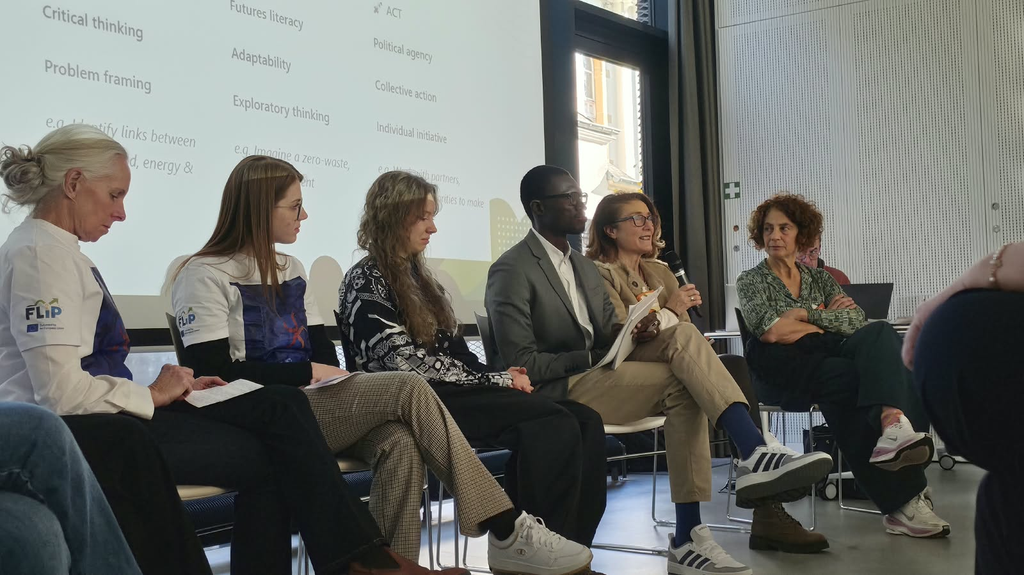
On 14 November 2026, around 70 people attended in person at Forum Da Vinci in Luxembourg City and around 100 joined online for the Sexuality Connect final conference. The event was part of the EU Festival for Youth Sustainable Innovators, co-organised by KEHSIA asbl and GAIALUX. The conference combined a presentation of the Erasmus+ project’s results with a lunch debate on inclusive sexuality education, online safety and youth participation. Explore the Festival programme.
Project results and resources for youth workers
Carrie Cannon from KEHSIA asbl presented the work of the Sexuality Connect partners in Luxembourg, Italy and Spain. She highlighted two challenges that shaped the project: online misinformation about sexuality and gaps in education that reflect the experiences of LGBTQ+ young people and young people from minority communities.
The presentation looked back at the three-day training in Italy, which brought together 24 participants for workshops on consent, gender identity, well-being and digital ethics. Carrie also introduced the project’s free digital repository, which offers learning modules, case studies and interactive activities in English, French, Italian and Spanish.
Another key outcome of Sexuality Connect was the launch of a free, multilingual, self-paced course on the SALTO-YOUTH HOP platform [Sexuality Connect HOP course], with five modules that give youth workers and educators practical tools for addressing inclusive sexuality education, consent, healthy relationships and online safety.
Lunch debate with Claudia Bozzolato and Alessia Lorens
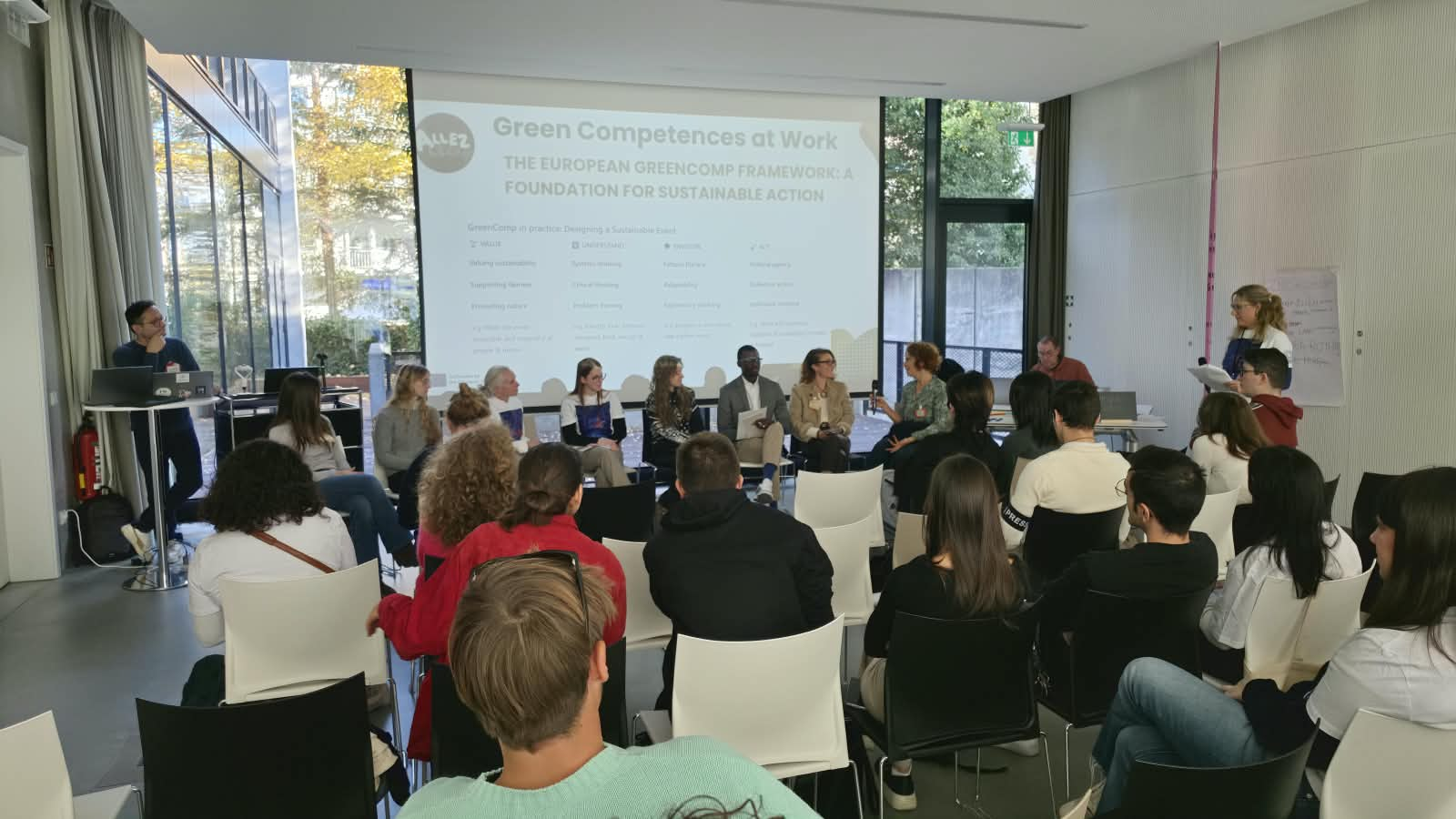
During the lunch debate, facilitated by Silvia Anastasia – Kehsia asbl President, Carrie invited two young youth workers who had taken part in the project to reflect on how they could use what they learned.
Carrie asked Claudia Bozzolato which topic would get young people talking and why. The discussion focused on consent and boundaries online, using the example of someone sharing a
screenshot of a private conversation in a group chat. A fictional scenario like this lets young people discuss what feels respectful without having to share a personal experience. Participants can also propose their own scenarios, choose which ones to explore and lead part of the discussion.
Carrie asked Alessia Lorens what she would take into her future work to help young people shape activities on relationships or sustainability. Alessia’s response focused on giving young people a decision they could make themselves. In a workshop on relationships, they could submit scenarios anonymously and choose which ones to discuss. At an event, they could use the Allez l’Éco sustainability checklist to choose an improvement and see whether it worked. For example, they might encourage people to bring reusable bottles, then check whether water refill points were easy to find and use.
Thank you to our speakers, project partners, volunteers and everyone who joined us in Luxembourg and online. Discover Sexuality Connect and its resources.