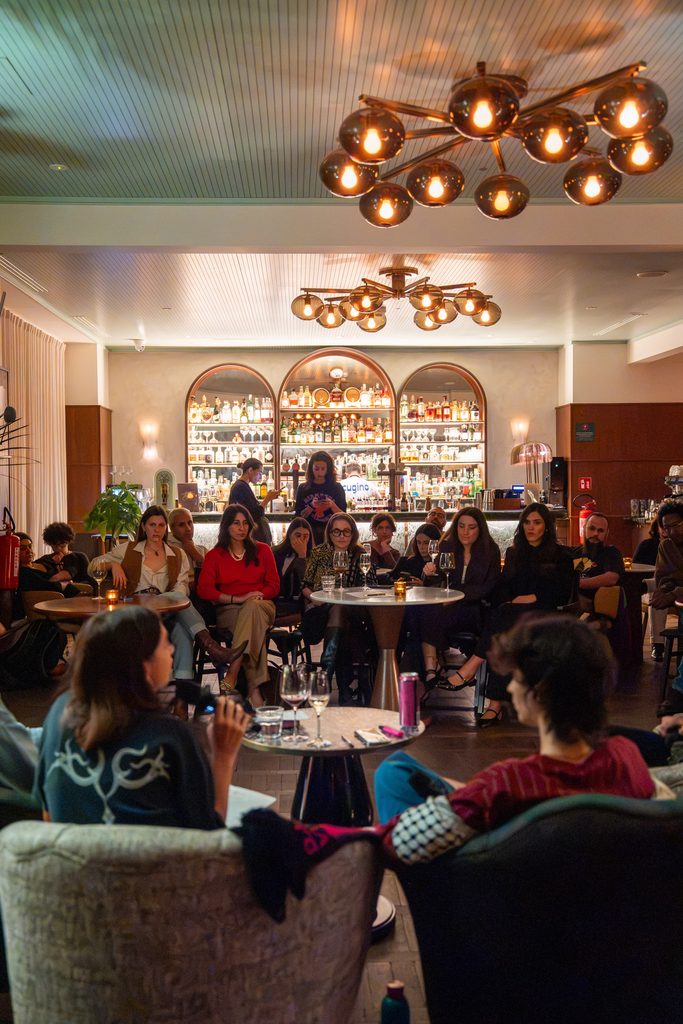
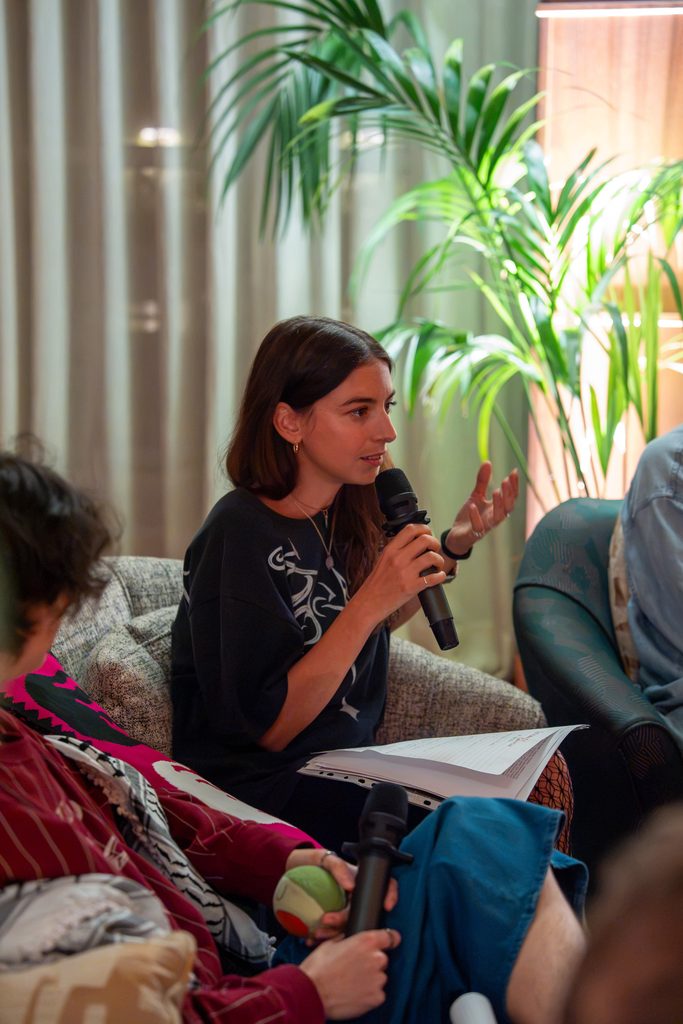
On October 21, DonneXStrada hosted an evening at The Hoxton Rome to present Sexuality Connect, a European Erasmus+ project developed with KEHSIA and EUducate, which will come to an end in late November. Matilde De Martino, the project coordinator, introduced the project and shared how it came about, its aims and the work carried out so far. Ire Ercoli, sex educator and trainer for the project, talked about the training content and how the course was run.
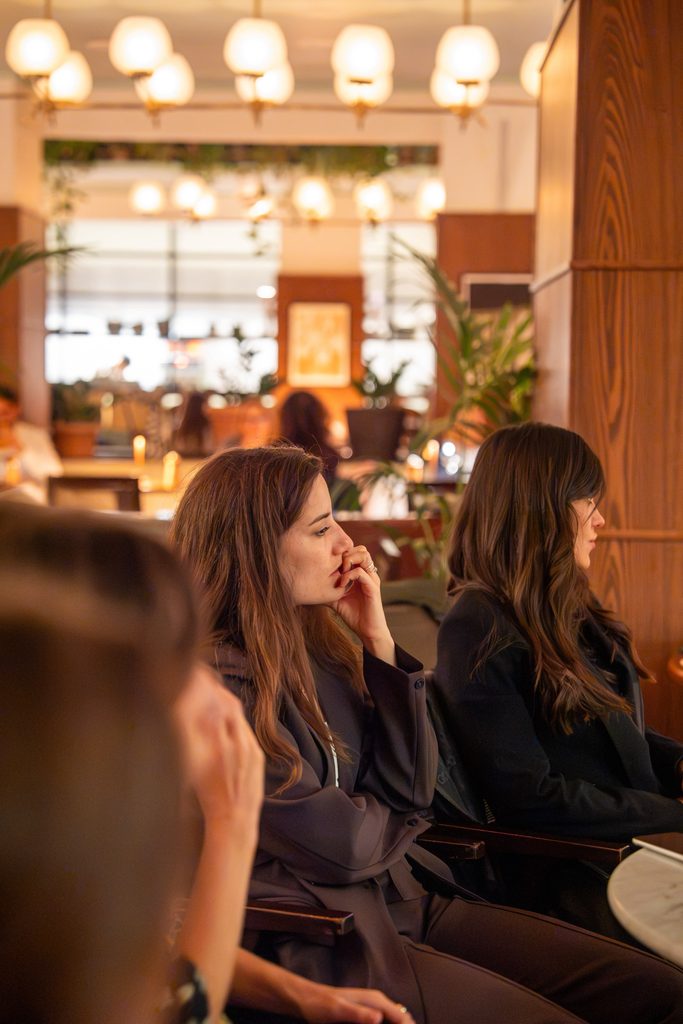
The evening also featured Gioele Lavalle from Gender X, an organisation that supports the inclusion of trans and non-binary people through listening and peer support, empowerment groups, and training for schools, professionals and institutions. We invited Gender X to open up a further exchange and reflect together on good practices. In particular, we talked about the importance of having young adults and safe spaces where people can turn to ask questions about identity and relationships without feeling judged.
We also discussed the digital world. For many young people, the internet is one of the first places where they can find information about their identity or meet people with similar experiences. But it can also expose them to hostile and discriminatory content. The evening was not a one-way presentation. People in the audience asked us about the Sexuality Connect training, but also wanted to know more whenever we used terms or referred to topics they were not familiar with. Some of the subjects we discussed, such as the manosphere and laws around gender affirmation, were new to many people in the room and sparked a lot of curiosity.
This led to an interesting conversation about the internet as both a resource and a risk, a topic that is close to our work. DonneXStrada itself started on social media, with video calls to accompany people home when they did not feel safe walking alone. That experience also led to the creation of the VIOLA Walk Home app.
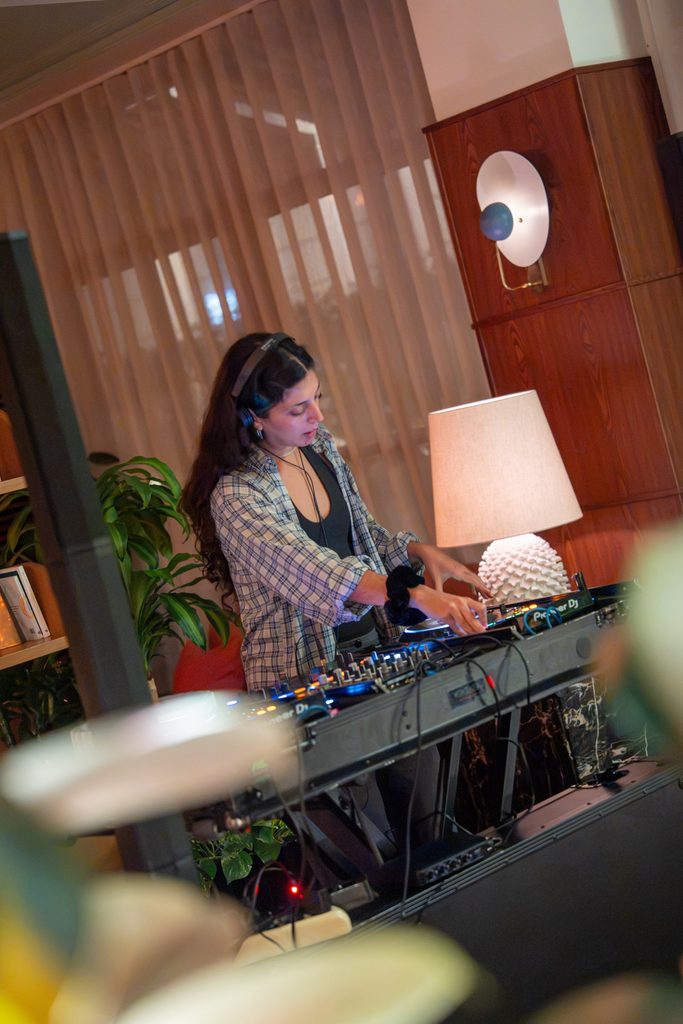
Towards the end of the evening, with music by Luma from the SAFFFO collective, we had the chance to talk more informally with the organisations present, including Roma Checkpoint, SAFFFO and Gender X, as well as youth workers who shared their experiences with us.
This is what the evening was all about: Sexuality Connect is coming to an end, but the relationships, questions and collaborations that started here will continue.