
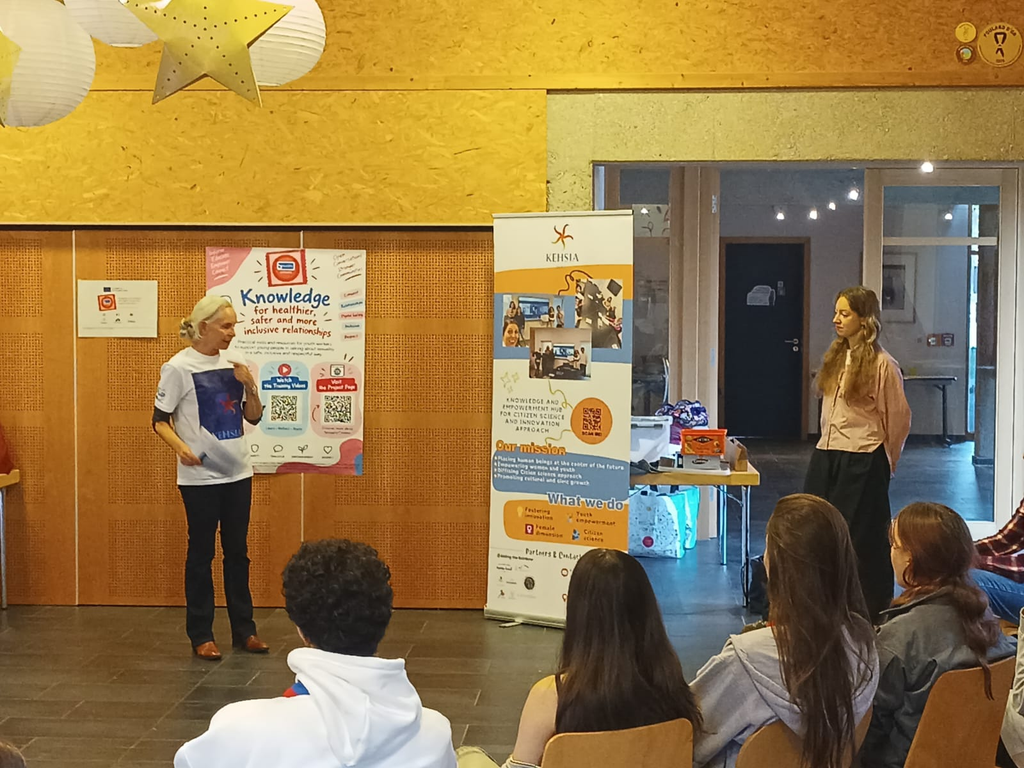
On 15 November 2026, as part of the Erasmus+ project Sexuality Connect, a three-hour participatory workshop on Sexuality and Relationships in a Digital Age was delivered in collaboration with KEHSIA asbl and the Telstar Explorer Scout Group Leader.
The workshop involved 13 young people aged 14–18, providing a safe, inclusive and non-judgemental environment to explore sexuality, relationships, consent, communication, gender, diversity and sexual health, with a particular focus on the digital world.
Understanding sexuality and relationships in the digital age
Social media, messaging platforms and other digital sources increasingly influence how young people understand sexuality and relationships. While these environments offer opportunities for learning and connection, they can also expose young people to misinformation, unrealistic expectations, pressure and potentially harmful situations.
During the workshop, participants explored the different sources from which they learn about sexuality and relationships, reflecting on the influence of digital content and the importance of distinguishing between reliable information, entertainment, fantasy and reality.
Consent, personal boundaries and online safety
Through practical scenarios and group discussions, participants explored situations they may encounter both online and offline, addressing topics such as consent, grooming, online pressure, intimate image sharing and personal boundaries.
The workshop also introduced the Pause–Check–Choose approach, encouraging young people to reflect on situations before making decisions, recognise potential risks and understand when to seek support from a trusted adult or professional.
Rather than relying on traditional lecture-based learning, the session adopted non-formal education methods, including collaborative activities, peer learning and open discussions.
Listening to young people’s voices
Feedback collected from eight participants highlighted the value of practical and interactive activities, particularly those based on real-life scenarios.
Discussions on grooming and online interactions were identified as especially useful, reinforcing the importance of creating opportunities for young people to address sensitive topics that they may find difficult to discuss elsewhere.
Participants also expressed interest in exploring additional sexual and reproductive health topics, including menstruation, polycystic ovary syndrome (PCOS) and mutual understanding of health experiences.
Bringing Sexuality Connect into practice
The workshop represented an opportunity to translate the knowledge and educational resources developed through the Sexuality Connect project into practical learning experiences for young people.
The experience highlighted the importance of participatory education in creating safe spaces where young people can ask questions, express their opinions and develop critical-thinking and decision-making skills.
Ultimately, sexuality education is about more than providing access to information. It is about empowering young people with the knowledge, confidence and skills to recognise boundaries, build healthy relationships, make informed choices and seek support when needed.
Through Sexuality Connect, we continue to promote a more inclusive, accessible and participatory approach to sexuality education.