
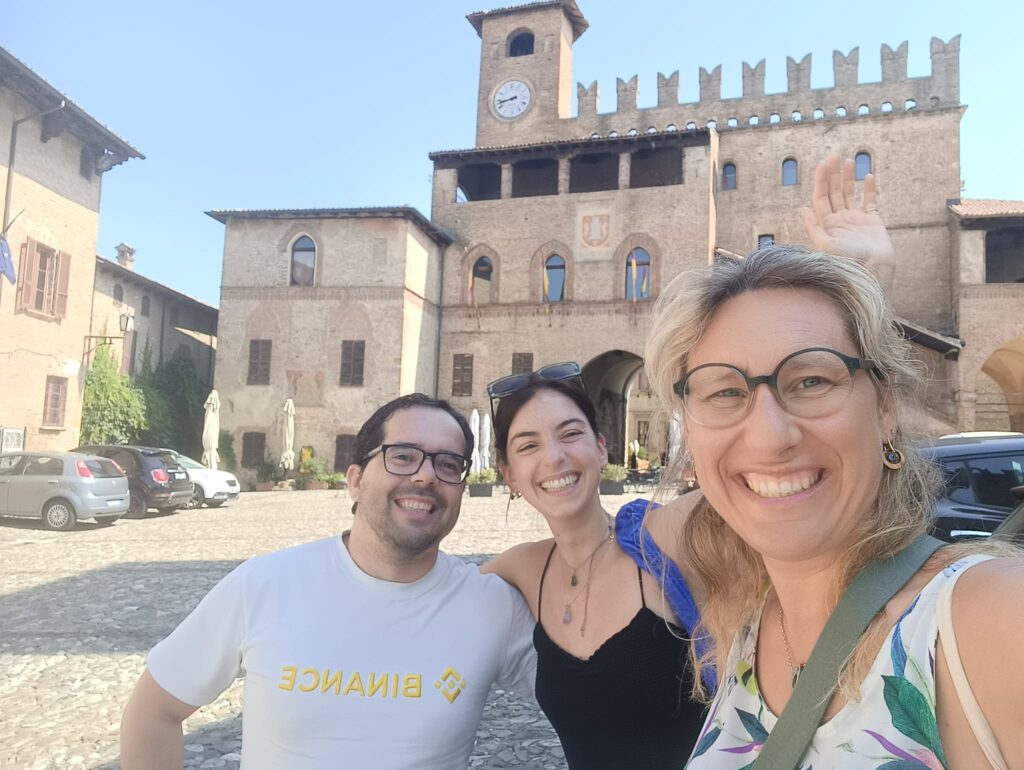
From 26 to 28 July 2026, partners and participants of the Sexuality Connect Erasmus+ project gathered in Morfasso, Val d’Arda, Italy, for a three-day international mobility dedicated to comprehensive sexuality education, gender equality, digital awareness and the prevention of gender-based violence.
Bringing together participants from Luxembourg, Italy and Spain, the mobility provided an opportunity to exchange experiences and good practices, strengthen international cooperation and translate the knowledge acquired through the Sexuality Connect online training into practical educational activities.
Building Safe and Inclusive Learning Environments
The first day focused on creating the foundations for a safe, respectful and inclusive learning environment.
Through welcoming and team-building activities, participants had the opportunity to get to know one another, share their experiences and discuss good practices for creating spaces in which sensitive topics related to sexuality, relationships, gender and consent can be addressed openly and respectfully.
Particular attention was given to the importance of safe spaces in educational and youth work settings, encouraging participants to reflect on practical approaches that can promote respectful dialogue, active participation and inclusion.
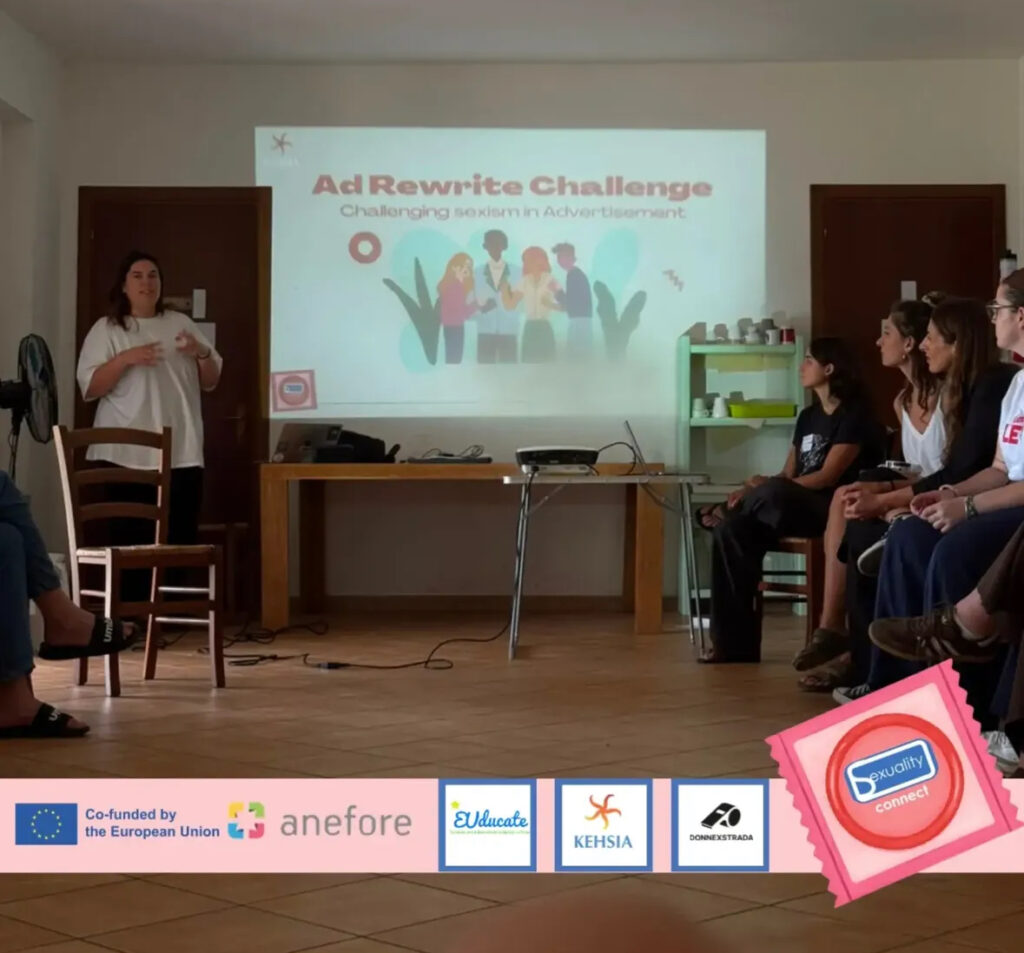
The programme then explored gender stereotypes in advertising. KEHSIA asbl introduced the “Atelier AD REWRITE CHALLENGE – Challenging Sexism in Advertisements”, an activity designed to encourage participants to identify and critically analyse gender stereotypes reproduced through advertising and media.
The workshop highlighted the importance of media literacy as an educational tool and encouraged participants to reflect on how the messages encountered in everyday life can reinforce harmful gender norms, discrimination and inequalities.
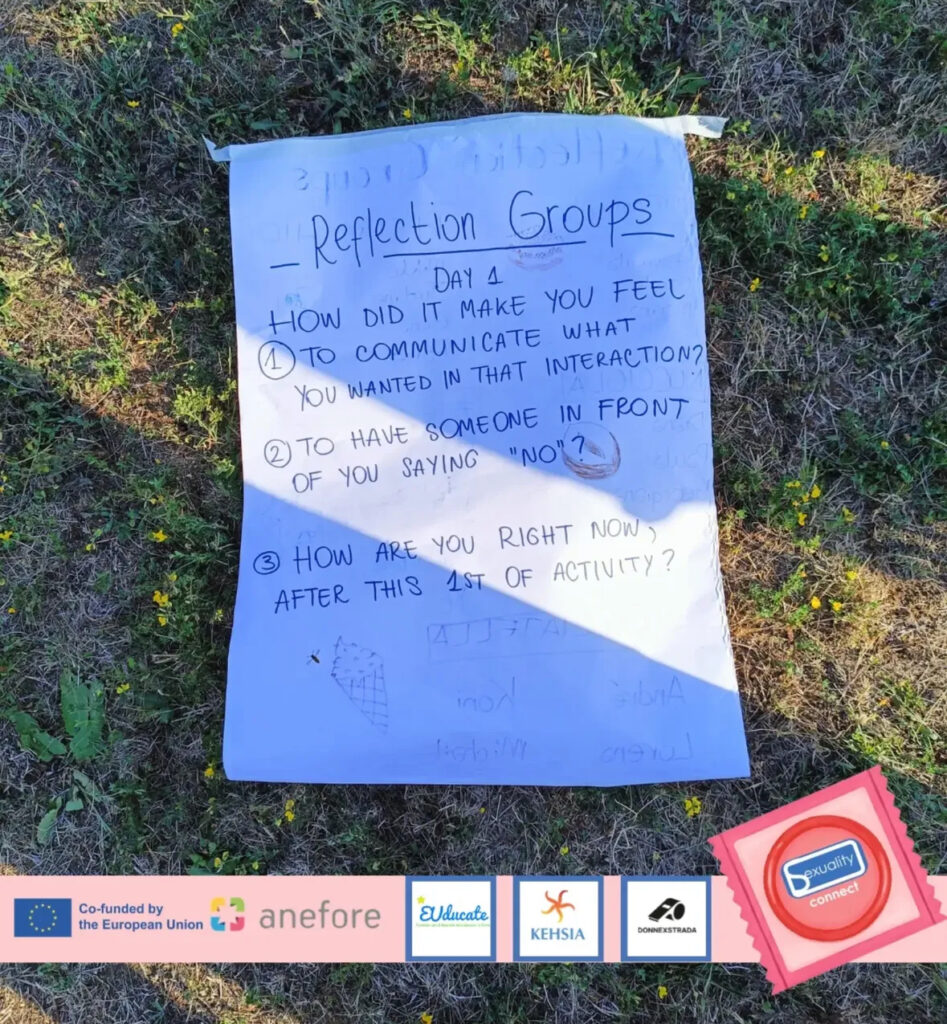
The first day concluded with an interactive activity dedicated to consent and personal boundaries. Using body language and non-verbal communication, participants explored how boundaries can be expressed, recognised and respected.
A facilitated reflection session followed the exercise, creating space for participants to share their feelings and perspectives and to further explore the importance of communication, mutual respect and consent.
Exploring Emotions, Gender and Gender-Based Violence
The second day focused on the relationship between emotions, gender roles, relationships and gender-based violence (GBV).
Participants began by exploring how emotions are experienced and expressed and by reflecting on whether certain emotions are socially encouraged or considered more acceptable depending on a person’s gender. The activity invited participants to consider how social expectations and gender stereotypes can influence the way people recognise, communicate and manage their emotions. By sharing different perspectives, the group reflected on the importance of emotional awareness and on the role of education in challenging restrictive gender norms. This discussion highlighted how developing the ability to recognise and express emotions can contribute to personal well-being, mutual understanding and healthier interpersonal relationships.
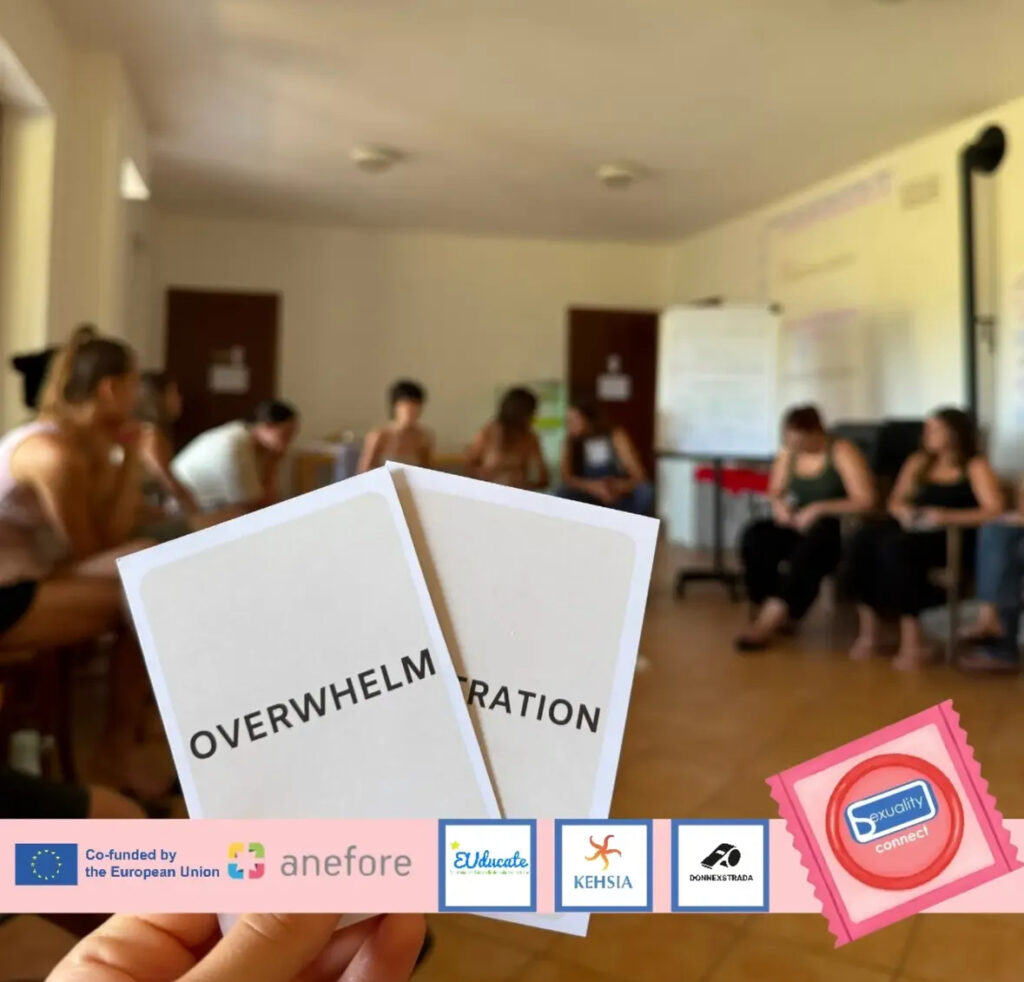
Through interactive exercises and group discussions presented by Donnexstrada, participants also worked with different scenarios involving relationships, sexuality and personal boundaries. These activities encouraged open dialogue and provided an opportunity to compare perspectives across different cultural and professional backgrounds. By discussing concrete situations, participants were encouraged to reflect on concepts such as respect, communication, consent and the recognition of personal boundaries within relationships. The exchange also demonstrated that the same situation can be interpreted differently depending on individual experiences, cultural contexts and personal values, underlining the importance of avoiding assumptions and creating spaces where different perspectives can be expressed without judgement.
The programme then continued in Castell’Arquato, where participants took part in a workshop addressing different dimensions of gender-based violence.
Working in smaller facilitated discussion groups, participants explored the social and cultural factors that can contribute to discrimination and violence and discussed strategies for prevention, awareness-raising and education.
An important element of the day was the connection between Sexuality Connect and another Erasmus+ funded initiative, EGAR – Emotional Education, Gender-Based Violence Awareness and Revenge Porn Contrast.
The joint clustering and dissemination activities in Castell’Arquato created an opportunity to connect the work of the European projects with local stakeholders and organisations engaged in preventing and combating gender-based violence.
This exchange strengthened the link between international cooperation and local action, while creating new opportunities for networking, knowledge sharing and future collaboration.
The day concluded with informal networking and reflection activities, allowing participants to consolidate the learning outcomes and share their main impressions from the experience.
Strengthening the Digital Dimension of Sexuality Education
The third and final day focused on the digital dimension of education and on transforming the knowledge acquired during the mobility into practical learning activities.
Participants were introduced to the Sexuality Connect HOP platform, presented by EUducate.
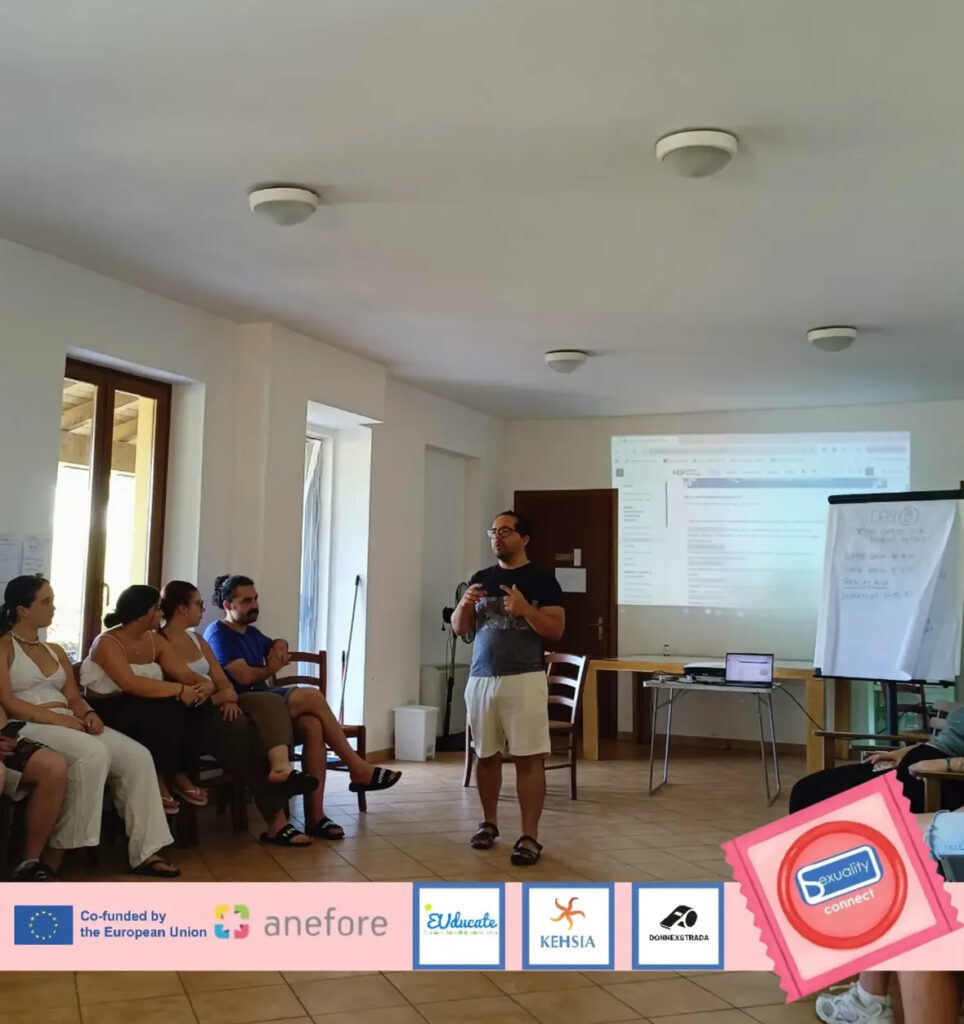
The session explored how digital tools and interactive learning resources can support educators and youth workers in addressing complex topics in accessible and engaging ways.
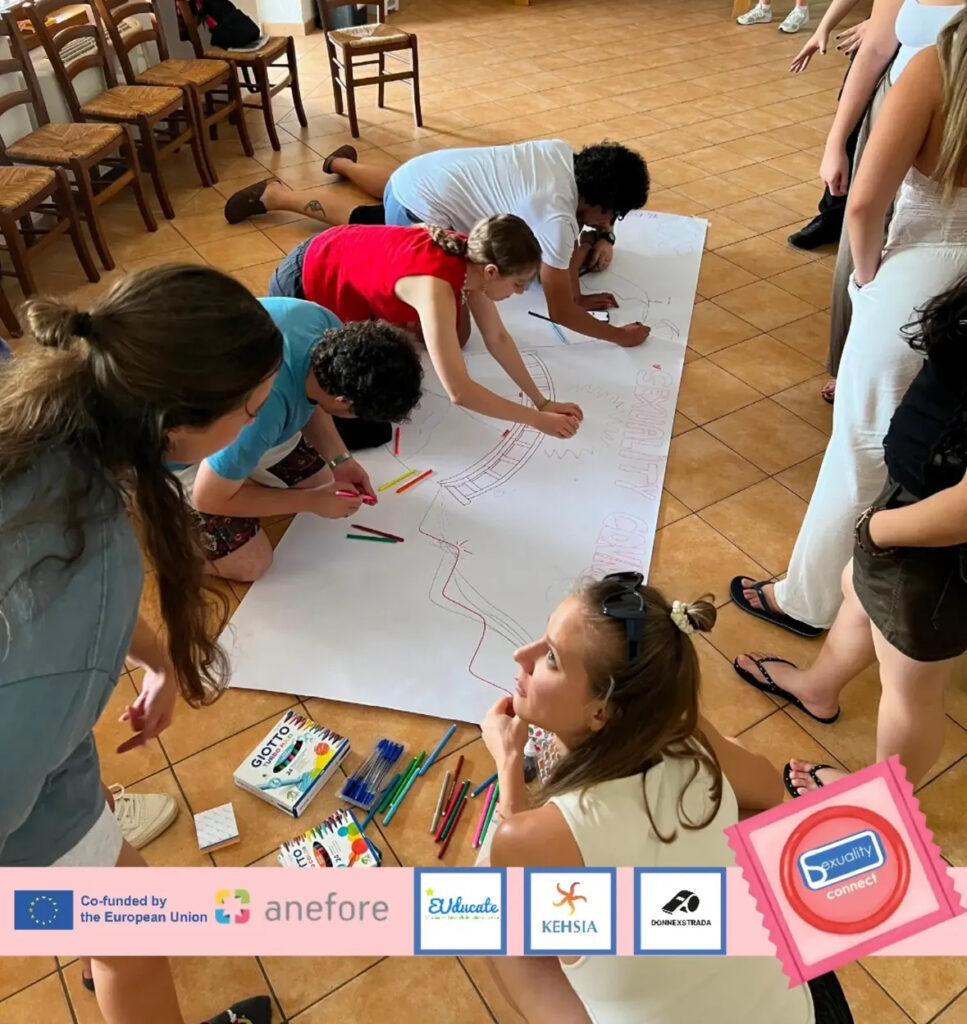
Following the presentation, participants worked in international groups to design their own mini learning sessions.
Each group selected a topic and target age group, established clear learning objectives and developed an interactive educational activity. The topics addressed included recognising fake news, critical thinking and other issues connected to awareness, digital literacy and responsible participation.
This practical exercise enabled participants to apply the methodologies explored throughout the mobility while strengthening creativity, teamwork and intercultural cooperation.
It also demonstrated how the knowledge developed within Sexuality Connect can be translated into concrete educational activities that youth workers and educators can adapt to different contexts and target groups.
From International Mobility to Local Impact
The three-day mobility represented an important milestone in the implementation of the Sexuality Connect project.
By combining expert-led training, participatory workshops, intercultural exchange, practical exercises and community engagement, the programme strengthened participants’ knowledge and provided them with practical tools for their future educational work.
The mobility also reinforced cooperation between the three partner organisations and created an opportunity to exchange approaches and experiences from Luxembourg, Italy and Spain.
Beyond the activities carried out during the three days, the mobility contributes directly to the next stages of the project.
The knowledge, experiences and feedback gathered in Italy will support the finalisation of the Sexuality Connect HOP platform and help prepare youth workers for the upcoming experimentation phase in Luxembourg and Spain.
Through this process, Sexuality Connect aims to strengthen the capacity of educators and youth workers to address topics including comprehensive sexuality education, consent, gender stereotypes, healthy relationships, digital awareness and the prevention of gender-based violence.
The mobility in Italy demonstrated the value of European cooperation in creating opportunities for shared learning and developing educational approaches that can contribute to safer, more inclusive and more informed communities.
About Sexuality Connect
Sexuality Connect is a KA210 Erasmus+ Cooperation Partnership co-funded by Anefore through the Erasmus+ Programme.
The project is coordinated by KEHSIA asbl (Luxembourg) together with Associazione DonneXStrada – Ente del Terzo Settore (Italy) and EUducate (Spain).
Through international cooperation, online learning, mobility activities and the development of digital educational resources, Sexuality Connect seeks to provide educators and youth workers with practical tools and methodologies to promote comprehensive sexuality education, gender equality, safer digital environments and the prevention of gender-based violence.