
How can cultural heritage help young people explore today’s challenges and make their voices heard? For youth workers and educators, an object can be a powerful starting point: something to observe, question and connect to everyday life.
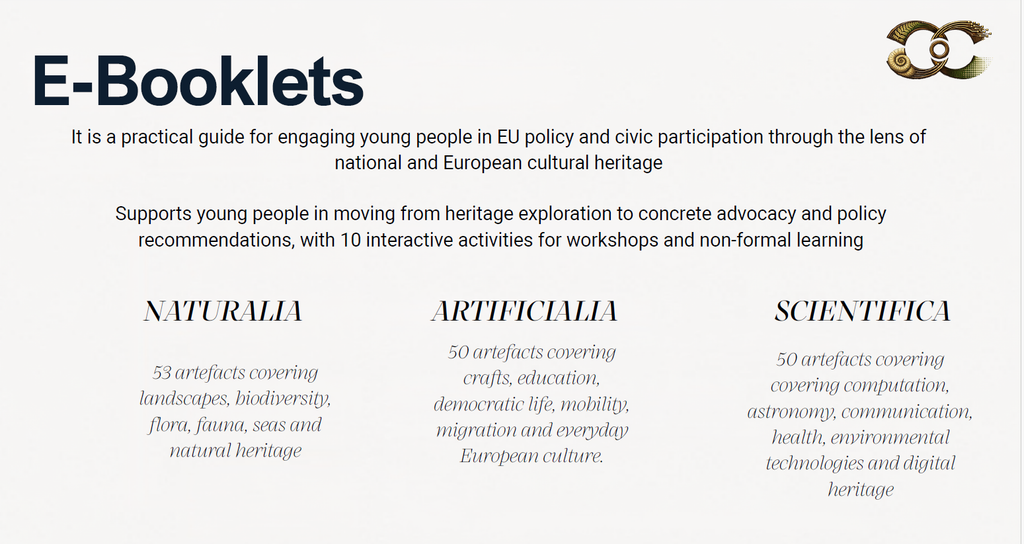
At the beginning of September, CuriEUs Youth project released three thematic e-booklets: Naturalia, Artificialia and Scientifica. Together, they connect cultural heritage with environmental protection, education and the digital age, encouraging young people to develop their own perspectives on European policy. Kehsia asbl is one of the partners in the project implementation and the association is glad to present this very interesting result of the project.
Three Collections, Three Ways to Explore
Each booklet offers a different route into the relationship between heritage and contemporary issues:
- Naturalia — Heritage and the Environment: explores connections between cultural heritage and environmental questions.
- Artificialia — Heritage, Education and Cultural Transmission: focuses on how culture and knowledge are shared.
- Scientifica — Heritage and the Digital Age: connects heritage with the digital sphere.
Together, the collections bring together 150 cultural heritage artefacts, linking them to current EU policy areas.
A Method That Encourages Questions
All three booklets follow four steps: read the object, read the silences, read the present and reimagine.
The aim is to help young people move from exploring an artefact to identifying a policy question and developing a position they can advocate for. Thirty interactive activities — ten per collection — accompany the booklets and put this approach into practice.
Bring Curiosity into Your Youth Activities
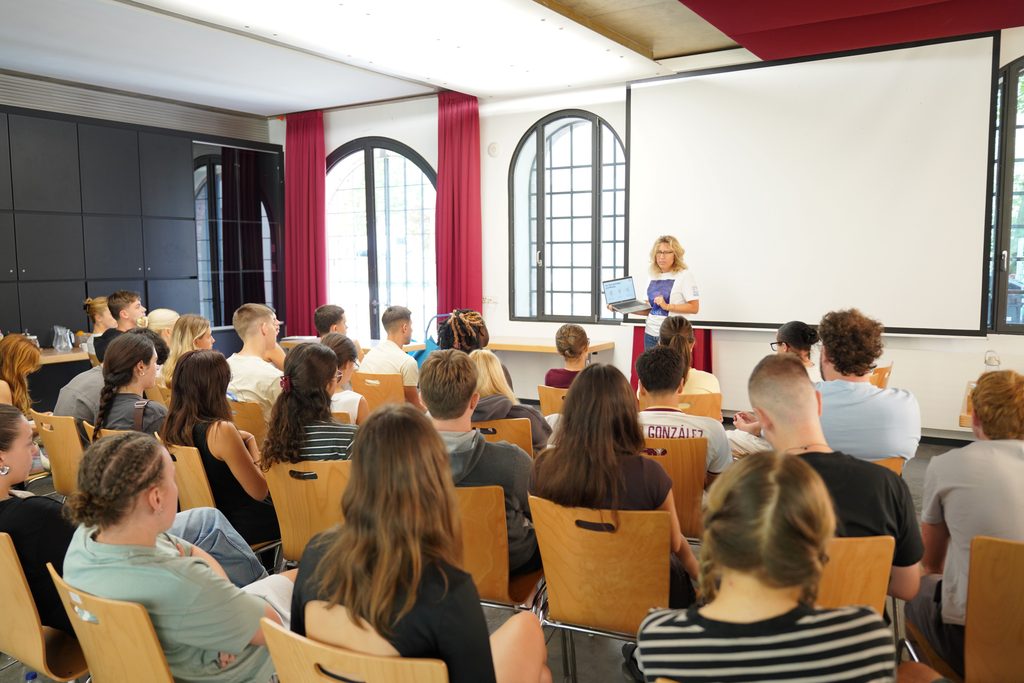
Looking for a starting point for your next workshop? Try inviting participants to choose an artefact, discuss what interests them and ask how it relates to an issue in their community. Their questions can become the basis for a group debate or a creative proposal.
The resources are free and openly accessible, with no registration required. KEHSIA invites young people, youth workers and educators to explore them and bring fresh questions into their learning activities.
Discover the three collections: